The Community-Centered Health Homes model, first presented by Prevention Institute in 2011, provides a concrete framework for healthcare organizations to systematically address the community conditions that impact their patients. It combines years of prevention experience about how to keep people from getting sick or injured, with insight gained from interviewing healthcare organizations around the country who were inspired to improve their patients’ health and the health of the communities around them.


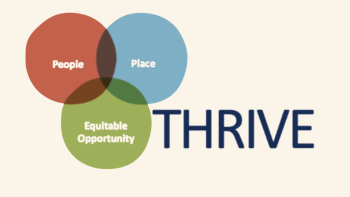
Building thriving communities helps foster mental health and wellbeing for everyone. When community members feel connected and have safe places to gather, and when they have access to affordable housing and good jobs, they experience less stress and anxiety. Conversely, exposure to repeated violence, displacement, and other traumas—or Adverse Community Experiences—undermines communities’ and individuals’ wellbeing.
Prevention Institute collaborates with a range of community partners to shift policies, practices, and norms to create conditions that support mental health and resilience. We partner with community-based coalitions to shape strategies that reflect their priorities and draw on their history, culture, strengths, and assets. Transformation may start with creating a safe space for young men at a bike shop, or engaging faith leaders to help de-stigmatize depression, or connecting veterans to ease re-entry to civilian life. These community changes, large and small, along with the collaborations required to make them happen, ultimately strengthen mental health and wellbeing across communities.
Photo credit: Kokua Kalihi Valley/Honoulu Aina