“If you are silent about your pain, they'll kill you and say you enjoyed it.” — Zora Neale Hurston
10 dead.
Racially motivated.
18 years old.
Drove several hours.
Predominantly Black neighborhood.
“Here’s your reparations.”
Stunned by grief, I knew I couldn’t stay silent forever or solely lean into my joy without naming how sickly evil white racism is, and the immense grief that was felt following the violent, racist hatred in Buffalo, NY.
On Monday, May 16, I wrote a compilation of jumbled thoughts and feelings following the shooting at a Buffalo grocery store, and a church in Laguna Woods, and murder of Palestinian journalist, Shireen Abu Akleh. I stepped away. I cried. I tried to process my emotions. I paid attention to my breath and my body. I gave myself permission to take off my Communications Director hat and embrace that I was a grieving and angry Black woman in America. And on May 24, I came back to my words, ready to edit. Like most writers, after writing/editing one or two sentences, I distracted myself with Twitter only to learn about a school shooting in Uvalde, Texas. Two people were confirmed dead when I first paused, 14 when I chose to turn off my TV and take a walk, 21 when I woke up the next morning, May 25: the second anniversary of George Floyd’s murder.
Several months ago, before joining Prevention Institute, I contemplated whether I should apply for Director roles—especially if I were to remain with justice and equity-centered nonprofits. As a Black woman, I didn’t want to take responsibility to lead a response when—not even if but when —another police officer or mass shooter murdered Black people and it made national headlines, again. I didn’t want to deal with the pressure of trying to regulate my emotions or suppress how I might feel in an effort to craft a solidarity statement or response—in a sea of statements and responses—on behalf of an organization so we don’t appear too silent, complicit, or unaware. I need everyone to understand this: behind our job titles, we at PI are human. I know the same is true for you, which is why tragedies like this cut so deeply.
A racist, capitalist, gun-loving record has played on repeat since the first colonizers came to this continent. From genocide to slavery. From the Asian hate killings in Atlanta to the intentional murder of Latinx folks in El Paso, and the targeted killing of LGBTQ+ folks in Orlando. Each of these tragedies are deeply personal to myself and my colleagues at PI. It’s also why many of us commit to this work. While white supremacy is woven into the very fabric of this country, it does not have to be this way. We believe in prevention, in solutions, and in the incredible people who are working towards communities that are more just and more equitable. And yet, each of these tragedies—one after another, after another—inflicts more pain on unhealed wounds, making it difficult to cultivate hope and joy in the face of adversity.
There is also a dark reality: keeping us in perpetual collective trauma is so strategic and key to keeping our movement dysregulated and constantly in survival mode. It’s difficult for any person to make sound decisions when our brains—individually and collectively—are consistently triggered and put in positions to merely stay alive instead of thrive. Such collective grief and anger feels like it is on loop, but we will not accept this as our normal.
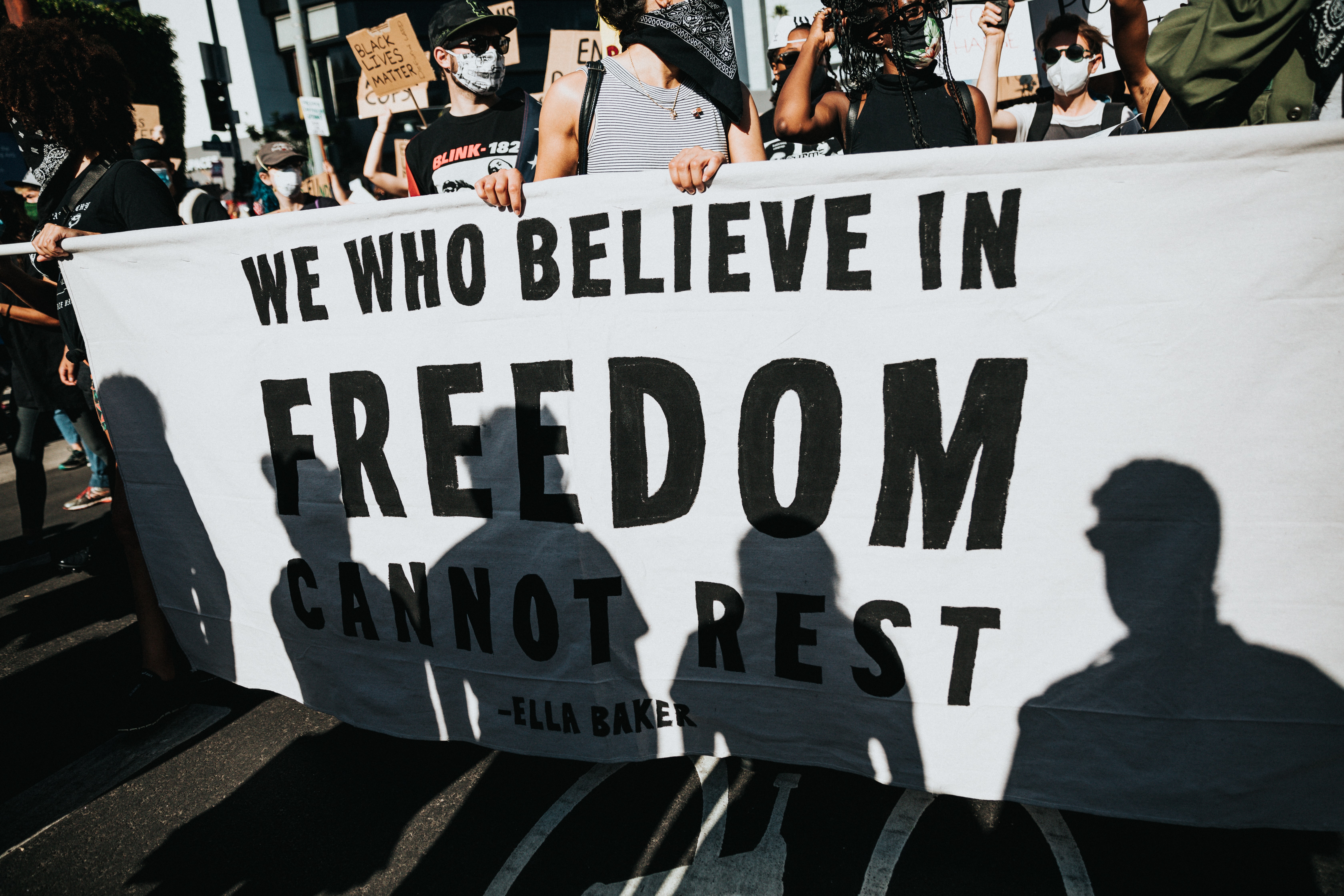
Watching masses gather to provide meals and basic care, protest, dissent, and create space for collective healing is heartening. It’s a reminder that we are stronger in numbers. Be encouraged by this: there are far more people in this country who care for each other. Far more people are working against racism, sexism, heterosexism, and against violence.
But care cannot be limited to our interpersonal and community relationships. We need this same level of care to take root into systems and institutions. Is that too much to ask for? To demand? In relationships and friendships, each of us desires care and safety. It is exhausting to plead for the same basic care—to exist freely and safely in schools, at grocery stores, in places of worship, at concerts, in the park, in my home—time and time again.
I don’t know what’s next—between gun regulations, dismantling narratives about the “lone wolf,” or providing immediate support to the communities impacted by these hateful acts. What I do know is our liberation, healing, and road toward equity can be just as strategic.
Healing is our right. We will continue to support community partners who build foundations of healing, safety, and joy. We will continue to call out white supremacy and structures that contribute to senseless violence and carnage, and push for policies and strategies that promote equitable health, safety, and wellbeing. And until equity is realized, we will not be silent even as we balance the personal with the political.
For Justice & Joy,
LySaundra Campbell
Communications Director, Prevention Institute