I have been thinking about this since this past spring, when I had the privilege of hearing Corrina Gould, co-founder of the Sogorea Te’ Land Trust, speak at the People, Parks, and Power (P3) annual convening. She shared the story of how the Ohlone, and other members of the Confederated Villages of Lisjan, have belonged to the California Bay Area since time immemorial. Through eras of Spanish colonization and missionaries, the Mexican government, and the U.S. government, they have been continually dispossessed of their land. She and other Ohlone people are now reclaiming and rematriating their land, one site at a time.
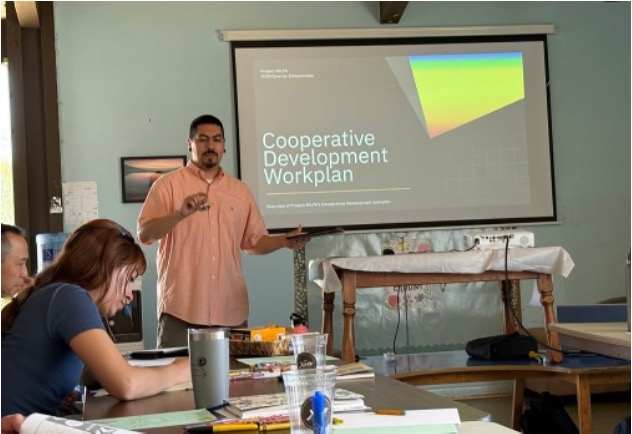
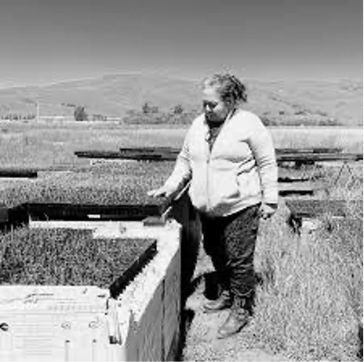
As part of the P3 initiative, I coordinate Project MILPA (Misión Independencia Logrando Poder y Aprendizaje) in support of agricultural workers in Ventura County, a fertile agricultural region in California’s Central Coast that is the nation’s primary provider of foods like strawberries, lettuce, and lemons. The United States food system relies on the thousands of agricultural workers who plant, seed, prune, harvest and pack the crops. Agricultural workers in this region are largely Latine and Indigenous, including many migrants from Southern Mexico who primarily speak Indigenous languages, such as Tu’un Savi (Mixteco).
For decades, wealthy farming families and big agricultural corporations have exploited these farms and the workers who cultivate them. These companies have created an unsustainable food system that depletes the land, while creating and maintaining exploitative, dangerous work conditions. When agricultural workers are able to escape those conditions and become farm owners, they usually end up renting the land they work on and selling their goods to the big businesses that control the distribution channels.
We know that a better system is possible: one that advances environmental sustainability, racial equity, and economic transformation in the food system by improving the California agricultural system into one where land is owned more equitably and communally. In that system, agricultural workers will be able to steward the land, earn a living wage, and provide for themselves and their families. These are all parts of our vision in Project MILPA (Misión Independencia Logrando Poder y Aprendizaje), where we promote land stewardship practices that support sustainable agriculture, explore farmworker-to-farm owner pathways, and propose new ownership models such as cooperatives, community land trusts and conservation easements. We also advocate for policies that support equitable access to farmland and prevent its consolidation by private equity, hedge funds, and venture capital.
 DECEMBER 2025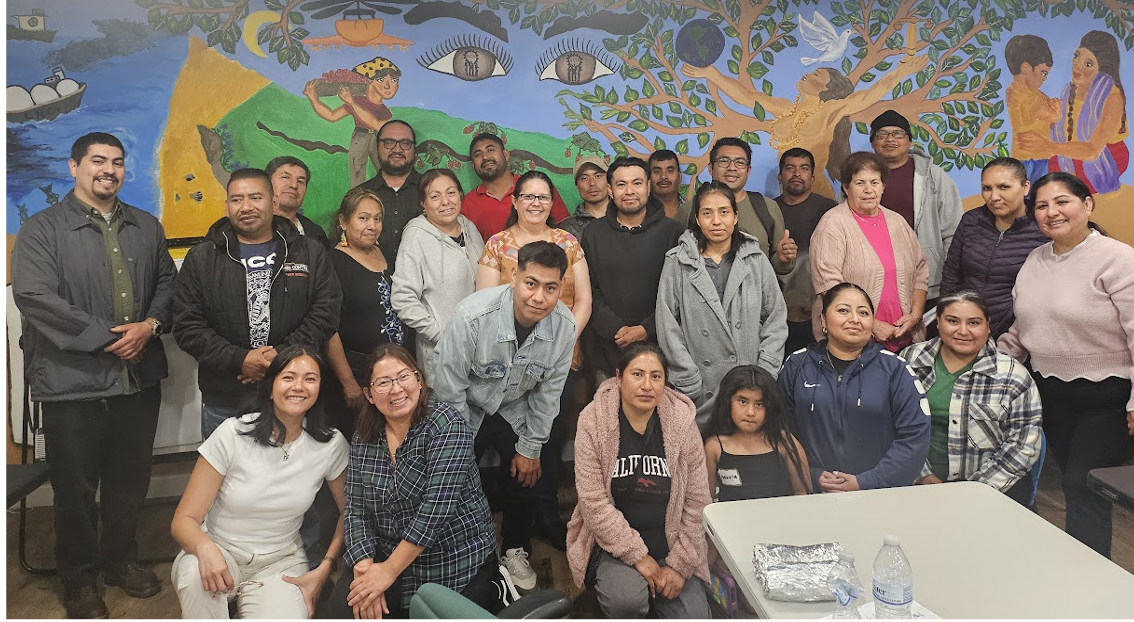
 Imagining Possibilities for an Equitable Future