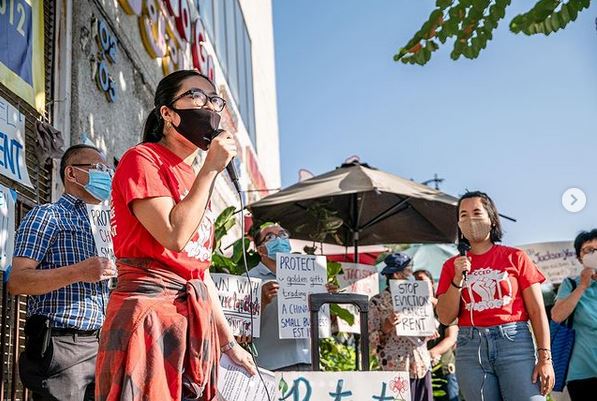
New blog celebrates the resilience and resistance of AAPI communities

Asian Pacific American Heritage month is an opportunity to reflect on and celebrate the contributions of AAPI communities.

May 1st marked the beginning of Asian Pacific American Heritage Month, a moment for people throughout the United States to reflect on and celebrate the histories, cultures, and contributions of Asian American and Pacific Islander (AAPI) communities.

In a new blog post, Prevention Institute’s Vince Leus writes that in a year that has been marred by violence and discrimination against Asian Americans, it’s important to recognize the rich history of social movements and struggle led by AAPI activists. These struggles—for worker’s rights, equity in education, tenant protections, and safety from violence—are part and parcel of the struggle to make communities healthier and more equitable places to live.

Vince writes:
As we reflect on Asian Pacific American history, I want to recognize our communities’ long history of resilience and social justice movement-building. When we look past the myths and stereotypes about AAPI communities, we can find a rich history of social movements and struggle led by AAPI activists.

The Asian American identity was born out of the Third World Liberation Front at San Francisco State and UC Berkeley in the late 1960s. People of different Asian ancestries united under the name of “Asian American” to fight in solidarity with Black, Brown, and Indigenous communities who were demanding liberation for oppressed peoples through an end to the Vietnam War, federally mandated civil rights, and the adoption of Ethnic Studies curricula. . . .

If we want to end anti-Asian violence, we must pick up where our ancestors left off in ending the structural violence inflicted onto us through poverty, exploitation, and political marginalization.
We hope you’ll read Vince’s blog and use the opportunity of Asian Pacific American Heritage Month to learn about the strengths, struggles, and resilience of AAPI communities that are too often obscured by myths about the Asian American experience.
 
Read the blog.


Photo credit: Chinatown Community for Equitable Development

Need Our Help?

We’ve got more than 25 years of experience supporting community collaboratives, practitioners, funders, and jurisdictions. Check out our services and reach out.