April 22nd marks the annual celebration of Earth Day. Honoring the planet and our commitments to protect it is essential to promoting health, safety, and wellbeing. Now more than ever the earth suffers from pollution, extreme weather—hurricanes, wildfires, floods—and diminishing parks and green spaces. Since BIPOC communities and communities with low wealth are disproportionately harmed by this environmental destruction, we insist on climate justice by finding ways to address the climate crisis that lower the amount of pollution, protect the environment, and make the world a more fair, just, and equal place for everyone.
How environmental issues unfold is not accidental, but the result of longstanding systemic racism. BIPOC communities have historically been excluded from decision-making processes related to land use and environmental regulations. One consequence of this is park and green space inequities, resulting from policies and practices like residential segregation, redlining, racially biased planning decisions, and exclusionary zoning.
Access to parks and green spaces is an essential community determinant of health. Having equitable access to parks and green spaces provides people of all ages and abilities opportunities for physical activity, social connection, respite, and supports for mental health and wellbeing. Park equity is the fair and just distribution of parks and green spaces, so all communities have access to health-promoting resources. We are working to achieve park equity, climate justice, and racial justice through our People, Parks, and Power (P3) Initiative.
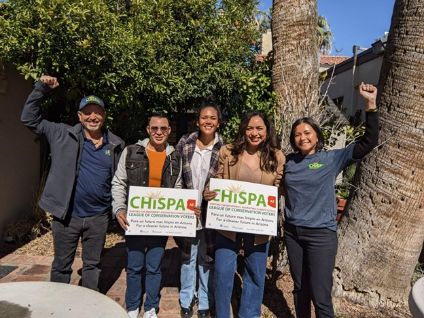
With funding from the Robert Wood Johnson Foundation and the Doris Duke Charitable Foundation, P3 is the first national funding initiative in the U.S. to support power building by community-based organizations to reverse historical park and green space inequities in Black, Latino, and Indigenous communities across the country. We are inspired by our 14 community partners, like Chispa Arizona, who are pushing for local policy and practice change. We are also seeing community-driven action in other places like our Hogg Foundation-funded Communities of Care initiative where projects like Healthy Outdoor Communities (HOC) is promoting equitable access to nature and green space as an equalizer in the fight against chronic health disparities. Recently, HOC launched a 3-part advocacy training series to develop community-centered practices with the Houston Parks and Recreation Department (HPARD).
As we celebrate Earth Day, let us also commit to climate justice and racial justice. Let us work towards creating a world in which each neighborhood has access to safe and healthy parks and green spaces. Only then can we create a world in which everyone has the opportunity to thrive.
Learn more about park equity and racial justice:
|