


Prevention Institute's diagnostic scale helps organizations, communities, and collaboratives assess the progress of their prevention efforts and prioritize program elements. This tool can be used as an ongoing resource to help identify strengths and weaknesses of strategy and to increase the scope and effectiveness of prevention work.
The Collaboration Assessment Tool helps individuals and coalitions identify specific strengths and areas of growth and enables partnerships to subsequently establish a baseline and gauge their progress via periodic checks on domains of effective collaboration.
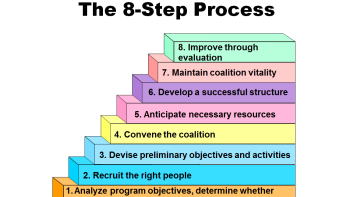
The Eight Steps to Effective Coalition Building is a framework for engaging individuals, organizations and governmental partners invested in addressing community concerns. The complete document offers concrete steps towards building effective partnerships and provides tips for making collaborations and partnerships work.
“Turf-ism” can be defined as non-cooperation or conflict between organizations with seemingly common goals or interests. Whether over resources, recognition, or control, turf struggles can threaten coalition vitality. Traditionally, coalition leaders’ response to turf struggles has been to ask coalition membership to “leave their hats at the door”. However, The Tension of Turf: Making it Work for the Coalition takes a different approach to addressing turf issues.
We’ve got more than 25 years of experience supporting community collaboratives, practitioners, funders, and jurisdictions. Check out our services and reach out.