

Spotlights & Resources from the field
Spotlights & Resources from the field
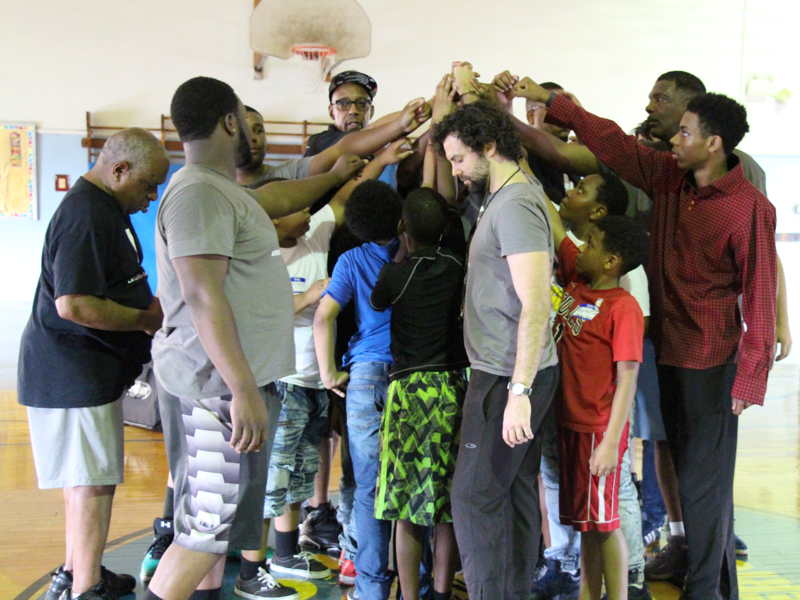
Image from the Making Connections initiative; Chicago Collaborative
The following examples highlight organizations, networks, and historic and ongoing policy and systems change efforts across multiple forms of violence, systems, and sectors that apply racial justice principles and practices across their work.
The links provided in this section may take you to external sites that include direct and/or grassroots lobbying calls to action. All links are provided for informational purposes only; they are not an endorsement of any specific lobbying actions. It is strongly advised that you seek proper guidance to determine your ability to engage in any lobbying activities. For more information on anti-lobbying restrictions for CDC grantees, please click here.
- The Education Trust is committed to advancing policies and practices to dismantle the racial and economic barriers embedded in the American education system by increasing political and public will to build an education system where students will thrive.
- The Sentencing Project advocates for effective and humane responses to crime that minimize imprisonment and criminalization of youth and adults by promoting racial, ethnic, economic, and gender justice.
- The Advancement Project's Justice Project supports grassroots movements in communities of color that challenge systems of policing, incarceration, and criminalization; advocates for investment in community resources like education, mental health, housing, and employment; and works to shift narratives around safety.
- The INVEST IN US Coalition includes national and local gun violence prevention organizations committed to building support to fund evidence-based community solutions to gun violence and educate leaders and the general public about proactive solutions to make communities safer.
- FRRC is a grassroots, membership organization run by Returning Citizens, Formerly Incarcerated Persons in partnership with allies dedicated to ending the disenfranchisement and discrimination against people with convictions, and creating a more comprehensive and humane reentry system that will enhance successful reentry, reduce recidivism, and increase public safety.
- Mujeres Poderosas Amorosas is a community-based and community-rooted network of Latina immigrants that serves as a space for emotional wellness, resource sharing, community organizing, and building influence and power through policy, system, and environmental changes that promote healthy and safe relationships and family stability by preventing intimate partner violence.
- Released by the National Women’s Law Center, Dress Coded: Black Girls, Bodies, and Bias in D.C. Schools & Dress Coded II: Protest, Progress, and Power in D.C. Schools draw the connections between dress code policies/discipline in schools, sexualization and thus sexual violence against girls of color and highlights progress and policy changes made as a result of parent and student activism.
Resources
- Developed with youth writers and activists, the new Youth Activist Toolkit is a detailed guide to help young people develop a plan, organize a coalition, and define and implement strategies to achieve measurable social impact goals.
- The Healing Together Resource Kit, compiled by the Alliance of Boys and Men of Color, offers frameworks, curricula, and guides for addressing patriarchal violence through community-based and healing-centered interventions.
- Cities United offers comprehensive strategies, frameworks, and research that can help cities reimagine public safety and build safe, healthy, and hopeful communities.
- Cultivating a Healthier Policy Landscape: The Building Healthy Communities Initiative examines the role of movement-building approaches—such as organizing, base-building, investing in organizational capacity, and forming alliances—in securing policy and systems changes that foster more equitable and safe community conditions.