
PI Perspectives
Our take on important issues affecting the prevention community.
This guidance outlines requirements for Medi-Cal managed care plans to reinvest a portion of net income into community initiatives. It details funding formulas, eligible use categories, community engagement expectations, planning and reporting processes, and timelines for implementation and oversight.
California’s Medi-Cal now requires plans to reinvest profits in community well-being. This 3-year project builds capacity and conditions for community-led reinvestment, emphasizing meaningful community decision-making and strong cross-sector partnerships.
This brief explores why power-building is essential public health work, highlighting how public health leaders can partner with community movements to advance equity, strengthen trust, and address structural injustice. It shares lessons from the field and calls for a justice-rooted public health future.
Prevention Institute’s 2026 California policy priorities focus on community-led safety, equitable access to parks and nature, environmental accountability, and advancing racial equity in government.
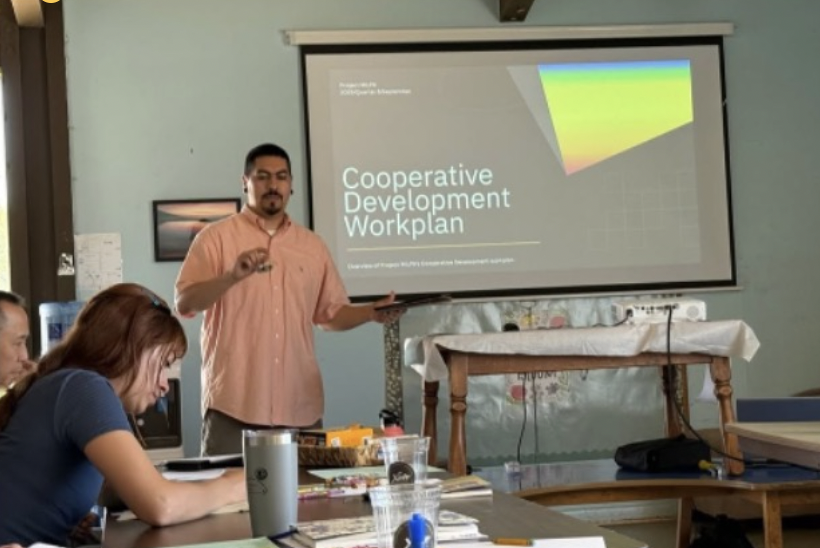
AESOP’s Leadership Network Year 3 Newsletter highlights community building, healing, and collective leadership through retreats, workshops, and resources that support activists and changemakers in sustaining their purpose, wellbeing, and impact.

Prevention Institute advanced statewide policies for community health, safety, and wellbeing, partnering with advocates to drive health equity and racial justice. In 2025, we supported key legislation, equity implementation, and major wins, while continuing efforts on reparations, climate justice, and equitable public investment into 2026.
A dynamic recap of the Young Minds Matter 2025 Conference, highlighting youth leadership, community connection, and collective wellbeing through workshops, panels, art, and shared experiences focused on building healthier, more equitable communities.
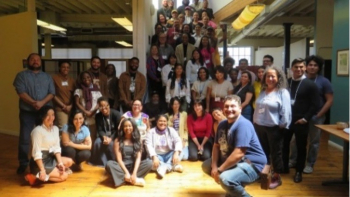
Close your eyes. Inhale slowly and deeply, so that your stomach rises. Exhale slowly as your stomach deflates. Repeat. Then, and only when your thoughts have stopped racing, picture your community. What would it look like with greater access to parks and green spaces? What would it sound like? Smell like? Feel like? Finally, when you are ready, open your eyes. This visualization activity took place during the first People, Parks, and Power (P3) in-person Convening, an event that would cement my intuition that I was in the right place in my career. The Convening was the first time I met P3’s